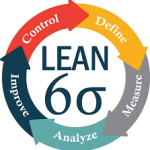
 Lean is about streamlining processes and Six Sigma is about reducing defects. The Lean Six Sigma methodology is therefore a way of accelerating Six Sigma by streamlining the process while reducing defects. Lean Six Sigma is applicable to all kinds of organizations including not-for-profit organizations and can produce remarkable benefits in productivity, revenue, profitability as well as customer satisfaction. Here are some key principles of Lean Six Sigma…
Author: Asad Zaidi (Page 9 of 34)
 Why do we hate change? The answer can be found in human evolution. Since millions of years ago, the human brain perceives strangeness (or strangers for that matter) as a sign of danger or even a life-threatening event. Our brains are hard-wired to react negatively to and to resist change. Organizations face the same challenges of inevitable resistance to change. According to one study by the Center for Creative Leadership, 75% of change initiatives fail because of this resistance. .. Continue reading
 In a McKinsey research survey of senior executives, 90 percent of respondents confirmed that customer experience is one of the organization’s top priorities. It’s a priority because the stakes are so high and competition is increasing. Enhanced customer expectations are forcing organizations while reducing cost and complexity for customers interacting with the organization. An interesting research insight is that every 10% increase in customer satisfaction can lead to a 2%-3% increase in revenue…
 The most popular class in Harvard University’s history (900 students) is “Positive Psychology” taught by Professor Tal Ben Shahar. This class became really popular because it taught as part of its curriculum what is now referred to as the science of happiness. Here are some key lessons from the work of Professor Shahar…
 To be successful, you need to find solutions to every day and some not-so-routine problems. Problem solving requires innovative thinking to come up with effective solutions. One way of problem solving using innovative thinking is advocated by Tina Seelig – a professor at Stanford University who teaches creativity and innovation. She suggests using reframing – rethinking the question – to solve problems in a unique, interesting and innovative fashion…
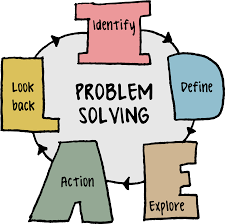 One of the lessons I learned a long time ago is that when you need to choose or decide a course of action – like identifying a lecturer for a particular course or deciding what sort of marketing tactic to employ in a given situation – it is always beneficial to have a checklist of available possibilities. For lecturers, having a list of all the lecturers who have contacted you in the past really helps with quick selection. Similarly, a master list of all the possible marketing tactics readily available for reference is helpful in thinking through the options. So it is with problem solving. You never know when you may need to solve a problem so having a list of key problem solving strategies can make the job easier. Here is a list of key problem solving strategies you can use…
 Based on a web article entitled “The Future of Management is Teal”.
The way organizations are structured and run today is essentially outdated. Disillusionment and lack of engagement are commonplace and most people regard their work as filling in time and unexciting. Managers try different incentives from training to monetary rewards to company retreats without getting any lasting, positive outcome. So is a new kind of organization the answer?
Recent Comments